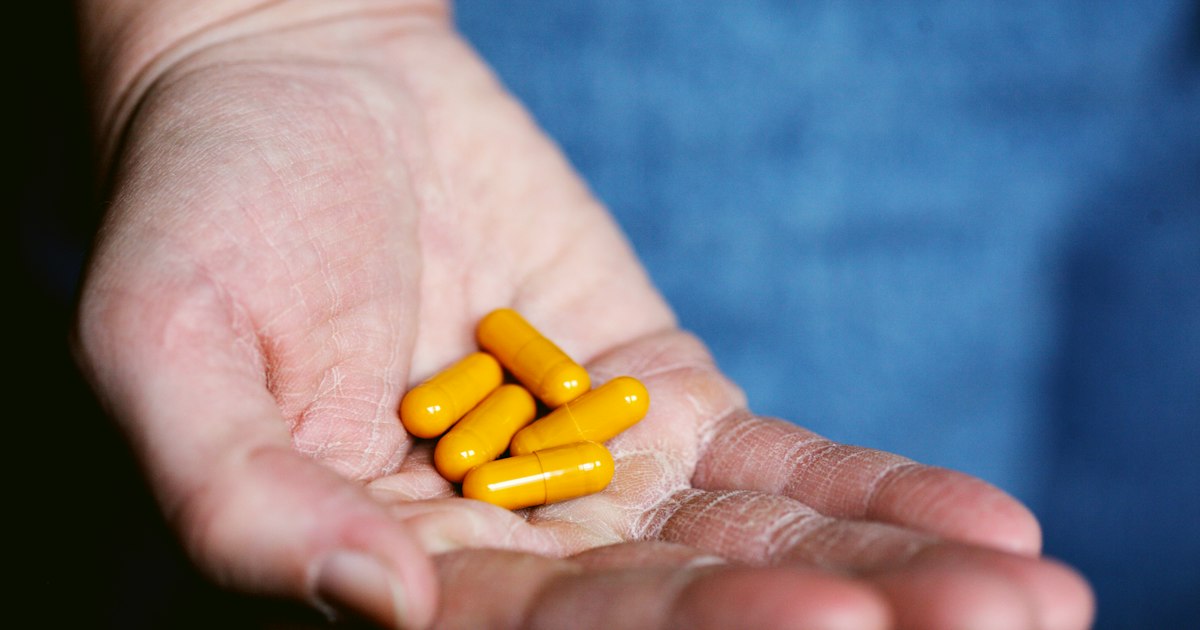
Rosuvastatin vs Citrus Bergamot: What to Choose and for Whom

A person with elevated cholesterol often faces a choice: to start taking the statin the doctor suggested, or to try “natural” bergamot. The editorial team breaks down what this decision really depends on, for whom the supplement may make sense, and for whom refusing a statin threatens real consequences.
It all starts with risk assessment
The decision to lower cholesterol is made not by a single figure in a test but by overall cardiovascular risk. The European ESC/EAS 2019 guidelines divide people into categories of low, moderate, high and very high risk, taking into account age, sex, smoking, blood pressure, diabetes, kidney disease, heredity and the presence of atherosclerotic diseases.
To assess risk in people without established cardiovascular diseases, the SCORE2 and SCORE2-OP scales are used in Europe. People who have already had a heart attack, stroke or have diabetes with organ damage do not need a calculation by scale — they immediately belong to the high or very high risk category.
The target LDL level depends on the risk category: from less than 3.0 mmol/L at low risk to less than 1.4 mmol/L at very high risk. The higher the risk, the lower the target and the less room there is for experiments with supplements.
Familial hypercholesterolemia is considered separately — a hereditary disease in which LDL is elevated from childhood. If LDL exceeds 4.9 mmol/L, doctors first of all think of it; no supplement in this condition can replace drug therapy.
Who needs a statin
A statin, in particular rosuvastatin, is indicated for people with atherosclerotic cardiovascular disease (after a heart attack, stroke, stenting), with diabetes and organ damage, with chronic kidney disease, with familial hypercholesterolemia, and also for those whose calculated risk is high while LDL is above target.
For these groups the evidence base is unambiguous: lowering LDL with statins reduces the rate of heart attacks, strokes and deaths. The CTT meta-analysis (2010) showed that the benefit is proportional to the absolute reduction in LDL, and the JUPITER study demonstrated the effectiveness of rosuvastatin even in people with “normal” cholesterol but elevated inflammation.
In such patients, replacing a statin with bergamot is not a “gentler approach” but a refusal of treatment with proven benefit. If a statin is poorly tolerated, the first step is to change the drug or dose, and if necessary — to add ezetimibe, not to switch to supplements.
| Risk category (ESC/EAS 2019) | LDL target | Is a supplement alone appropriate |
|---|---|---|
| Very high | <1.4 mmol/L and a reduction of ≥50% | No |
| High | <1.8 mmol/L and a reduction of ≥50% | No |
| Moderate | <2.6 mmol/L | Only after discussion with a doctor |
| Low | <3.0 mmol/L | Can be discussed together with lifestyle changes |

Is there a place for bergamot
A person with low risk and moderately elevated LDL, whom the doctor recommends primarily to change their lifestyle, sometimes also wants to try a supplement. For such a situation, bergamot can be regarded as an experiment, the result of which is necessarily verified by a test.
However, the foundation is nutrition and movement. Reducing saturated fats, a sufficient amount of fiber, replacing part of animal products with plant ones, weight control and regular aerobic training can noticeably improve the lipid profile, and their effect is confirmed much better than the effect of bergamot.
If a person has decided to try bergamot, it is sensible to do a lipid profile before the start and after 2–3 months of intake. If LDL has not noticeably decreased, there is no point in continuing intake.
Taking a supplement in parallel with a statin without coordination with a doctor is also not recommended: additional benefit is not proven, while potential interactions and unnecessary expenses are real.
Considerations for athletes
In athletes who use anabolic steroids or other hormonal drugs, the lipid profile often deteriorates sharply: HDL decreases, LDL rises. The Endocrine Society review (Pope et al., 2014) attributes these changes to the main cardiovascular risks of such use. Neither a statin nor bergamot neutralizes the rest of the risks — the first step is to stop use and undergo examination.
Statins can cause muscle symptoms, which is especially sensitive for people who train. However, in randomized trials the frequency of muscle complaints on a statin and on placebo is often similar, and part of the symptoms is explained by the expectation of side effects. The EAS consensus (Stroes et al., 2015) proposes a step-by-step approach: a pause, a repeat attempt, a different statin or a lower dose.
Intense training raises creatine kinase regardless of drugs. Therefore a CK test before the start of a statin is worth taking after several days without heavy loads, so that changes can later be interpreted correctly.
Statins and bergamot are not on the WADA Prohibited List. For athletes the main risk of supplements is not bergamot itself but possible contamination of products from low-quality manufacturers.
How to monitor the result
Any intervention — a statin, a supplement or a change in nutrition — is assessed by tests, not by sensations. A lipid profile is usually repeated 6–8 weeks after the start of treatment or a dose change, and thereafter — once a year or as prescribed by a doctor.
- Lipid profile:total cholesterol, LDL, HDL, triglycerides; where possible — non-HDL cholesterol and apolipoprotein B.
- ALT:before the start of a statin and as indicated.
- Creatine kinase:before the start and with muscle symptoms.
- Glucose or HbA1c:in people predisposed to diabetes.
- Lipoprotein(a):at least once in a lifetime to refine risk, as recommended by ESC/EAS 2019.
If on a supplement LDL has not reached the target after a few months, this is a weighty argument to move to discussing a statin. Delaying treatment at high risk has no advantages whatsoever.
Editorial conclusions
The choice between rosuvastatin and bergamot is determined by overall cardiovascular risk, not by a personal attitude toward “chemistry” or “natural” remedies.
At high and very high risk, a statin is the foundation of treatment with a proven reduction in heart attacks and strokes. Bergamot is not an alternative here.
For people at low risk, a supplement can be discussed with a doctor as a supplement to lifestyle changes, necessarily with a follow-up lipid profile.
We described the pharmacological differences in the article “Rosuvastatin or Citrus Bergamot: What Is the Difference.” We also recommend “Atorvastatin vs Ezetimibe: What to Choose and for Whom” and material on the lipid profile against the background of hormonal drugs.
References
- Mach F, Baigent C, Catapano AL, et al. 2019 ESC/EAS Guidelines for the management of dyslipidaemias: lipid modification to reduce cardiovascular risk. Eur Heart J. 2020;41(1):111–188.
- Cholesterol Treatment Trialists' (CTT) Collaboration; Baigent C, Blackwell L, et al. Efficacy and safety of more intensive lowering of LDL cholesterol: a meta-analysis of data from 170,000 participants in 26 randomised trials. Lancet. 2010;376(9753):1670–1681.
- Ridker PM, Danielson E, Fonseca FA, et al. Rosuvastatin to prevent vascular events in men and women with elevated C-reactive protein. N Engl J Med. 2008;359(21):2195–2207.
- Stroes ES, Thompson PD, Corsini A, et al. Statin-associated muscle symptoms: impact on statin therapy — European Atherosclerosis Society Consensus Panel Statement on Assessment, Aetiology and Management. Eur Heart J. 2015;36(17):1012–1022.
- Laffin LJ, Bruemmer D, Garcia M, et al. Comparative effects of low-dose rosuvastatin, placebo, and dietary supplements on lipids and inflammatory biomarkers. J Am Coll Cardiol. 2023;81(1):1–12.
- Pope HG Jr, Wood RI, Rogol A, et al. Adverse health consequences of performance-enhancing drugs: an Endocrine Society scientific statement. Endocr Rev. 2014;35(3):341–375.
- Mollace V, Sacco I, Janda E, et al. Hypolipemic and hypoglycaemic activity of bergamot polyphenols: from animal models to human studies. Fitoterapia. 2011;82(3):309–316.
Andriy Melnyk
A strength-sports coach and author of programs for beginner and intermediate levels. Writes about training planning.